White Floral Horse Embroidery Review
When I first opened the file for White Floral Horse, my initial reaction was a mix of curiosity and caution. As someone who has spent years reviewing digital assets for real-world embroidery projects, I know that a pretty image on a screen does not always translate to a clean stitch-out. This listing is described as a JPEG digital file only, which immediately signals that we are dealing with a raster image rather than a vector-based machine embroidery design or a cut file SVG. Before I even thought about stitching, I had to ask myself: can this graphic actually hold up under the needle in a commercial setting?
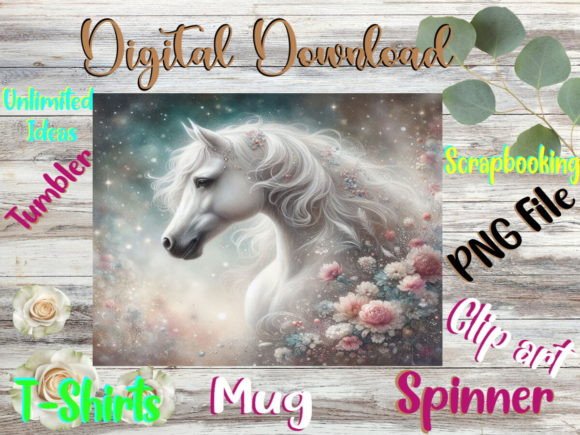
The mood created by White Floral Horse is undeniably soft and whimsical. The concept of a horse adorned with floral elements suggests a gentle, pastoral aesthetic that fits perfectly into nursery decor, boutique branding, or personalized gifts for equestrian enthusiasts. However, the practical reality of using a 300 dpi JPEG for embroidery requires a specific mindset. It is not a direct machine-readable file; it is a visual asset meant to be traced, digitized, or used as a reference for appliqué work. For the craft business owner or Etsy seller looking to create a unique product line, understanding this distinction is the difference between a profitable item and a wasted order.
From Screen to Stitch: A Real-World Scenario
Let's imagine a typical Tuesday morning in my studio. I am preparing a custom order for a client who wants a high-end embroidered tote bag for her new flower shop. She loves rustic charm but needs something that looks professional enough to command a higher price point. She found White Floral Horse online and asked if she could use it directly on her machine.
This is where the review gets critical. If I were to simply load this JPEG into an embroidery machine, nothing would happen because it lacks the necessary code for stitches. Even if I tried to trace it manually on a tablet, the resolution might struggle if I attempted to scale it down too much. Instead, I would treat White Floral Horse as a design inspiration or a template for an appliqué project. I would print the image onto stabilizer, cut out the white horse and floral shapes from white fabric, and then stitch them onto a dark canvas tote bag using a satin stitch border.
In this scenario, the design shines. The contrast between the white floral horse and the dark fabric creates a striking visual appeal. Customers reacting to such a finished product would likely appreciate the texture and depth that comes from actual fabric layers rather than just printed ink. The "white" aspect of the design becomes a feature, allowing it to pop against almost any background color, provided the underlying fabric is dark enough to make the white stand out. This approach transforms a simple digital graphic into a tangible, handmade product that feels substantial and valuable.
Where White Floral Horse Fits Best
While this asset is versatile, it has specific sweet spots where it performs exceptionally well in a handmade product context. It is ideal for items where the design acts as a focal point rather than a tiny detail. Consider a baby onesie made of soft cotton; placing a large, traced version of White Floral Horse as a chest patch creates a memorable keepsake. Similarly, for holiday embroidery projects, such as Christmas stockings or kitchen towels, the floral theme adds a seasonal touch without being overly festive.
For the small shop product owner, this design works beautifully as part of a cohesive brand identity. Imagine a set of aprons sold at a craft fair, each featuring a different variation of the horse motif. The ability to resize the file means you can adapt the layout for a large sweatshirt embroidery project or a smaller cap patch. However, you must remember that resizing a JPEG involves interpolation, which can soften edges. To maintain professionalism, you should ensure the final output remains crisp before sending it to production.
The design also lends itself well to printable mockups. If you are a digital product seller creating previews for your own listings, White Floral Horse provides a high-quality base image that looks great in a rendered scene. It helps potential buyers visualize the end result, increasing buyer engagement and trust in your brand consistency.
Practical Pitfalls and Design Constraints
No design is without its limitations, and White Floral Horse is no exception. One of the most significant challenges arises when considering small hoop sizes. Because the source is a JPEG, fine details might get lost if the design is scaled down to fit a 4x4 inch hoop. Tiny lettering or intricate petal details may become indistinguishable once stitched, leading to a muddy appearance that frustrates customers.
Fabric choice is another critical factor. Using this design on stretchy fabric like jersey knit requires extra care. Without proper stabilization, the weight of the appliqué or the density of the surrounding stitches could cause puckering. Similarly, textured fabrics like bouclé or heavy denim might hide the delicate lines of the horse, making the design look flat or incomplete. Dark fabrics present their own challenge; while they offer contrast, they require precise cutting if you are doing appliqué, as any stray threads will be visible against the dark background.
I would also advise caution when using this design for products that need frequent washing. If the file is used to create a dense fill stitch area without proper digitizing adjustments, the fabric might stiffen significantly. For items like baby clothes or children's wear, comfort is paramount. A design that feels like a cardboard patch after multiple washes will lead to negative reviews and returns. Always test the design on scrap fabric first to check thread color contrast and stitch density.
Professional Notes for the Designer
Before incorporating White Floral Horse into your commercial embroidery projects, there are several technical steps you must take. First, confirm whether your intended use allows for commercial licensing. Just because you purchased a JPEG does not automatically grant you the right to sell thousands of finished items based on that image. Check the license terms explicitly to avoid legal issues.
If you plan to convert this into a machine embroidery design, you will need to digitize it. This process involves converting the raster pixels into vectors and assigning stitch types like satin stitch for outlines, fill stitch for solid areas, and running stitch for delicate details. You must review the stitch density to ensure it is appropriate for the fabric type. Too many stitches per square inch can cause the fabric to bunch, while too few can leave gaps.
Another crucial step is testing the design in black and white mockups. This helps you visualize how the contrast will hold up without the distraction of color. Compare light and dark fabric backgrounds to see where the design loses impact. If you are using this for an embroidered patch, ensure the edges are clean and the backing material is suitable for iron-on or sew-on application.
Finally, consider the role of stabilizer. Depending on the complexity of the White Floral Horse layout, you may need tear-away, cut-away, or water-soluble stabilizers to support the design during the stitching process. Neglecting this step is a common mistake that leads to failed projects, especially on curved surfaces like caps or hats.
In conclusion, White Floral Horse is a charming and versatile asset for creative entrepreneurs. It offers a strong foundation for building a brand around nature, animals, and rustic aesthetics. However, it demands respect for its format limitations. By treating it as a visual guide rather than a plug-and-play file, and by investing time in proper digitization and testing, you can turn this digital graphic into a stunning finished product that delights customers and elevates your craft business.