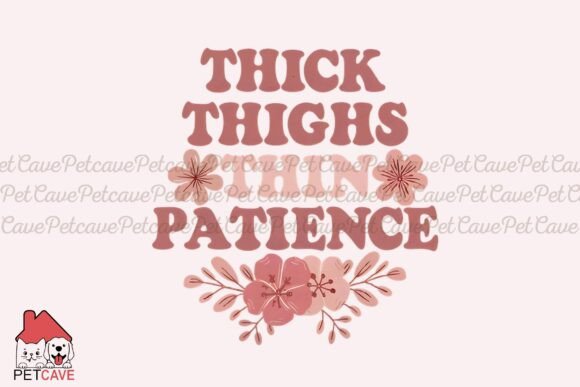
Thick Thighs Thin Patience Floral Art Review
When I first opened the file for Thick Thighs Thin Patience Floral Art, my immediate reaction wasn't about the resolution or the pixel count, but rather the attitude it projects. As a designer who spends hours agonizing over stitch density and thread selection, I look for more than just a pretty picture; I need to know if a design can survive the rigors of a real embroidery machine and still look professional on a finished product. This piece strikes a balance between a bold statement and delicate botanical charm, making it an intriguing candidate for both personal gifts and small business merchandise.
The First Impression: Mood and Visual Personality
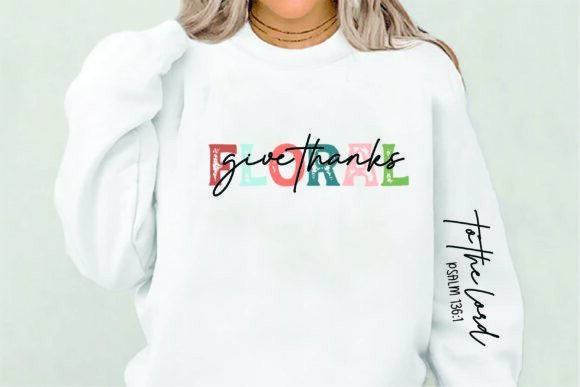
The title alone suggests a playful confidence, and the floral elements promise a softening of that edge. Visually, the layout feels organic yet structured, which is exactly what you want when translating a raster image into a stitched reality. The floral motifs likely offer excellent opportunities for texture variation, allowing us to mix satin stitches for definition with fill stitches for volume. It creates a mood that is empowering but approachable, perfect for a customer who wants something that speaks to their personality without screaming for attention.
In terms of visual appeal, this design has the potential to elevate a basic garment into a boutique-quality item. The interplay of text and nature imagery suggests a versatility that fits well in modern handmade shops. Whether it ends up on a heavy cotton tee or a soft linen tote, the core message remains clear while the flowers add a layer of sophistication that generic slogans often lack.
Real-World Application: A Case Study
To truly understand how Thick Thighs Thin Patience Floral Art performs, let's imagine a specific scenario. I am preparing a custom order for a local craft fair where I sell personalized gifts and apparel. I decide to use this design on a high-quality, oversized sweatshirt intended as a gift for a client who runs a women's wellness studio. The goal is to create a limited-run hoodie that feels exclusive and thoughtful.
Here is where the practical judgment comes in. For a sweatshirt, the fabric is thick enough to support a medium-to-large design without warping. However, the placement is critical. If we place this too low on the back, it might get lost under a jacket, but centering it on the chest offers the right amount of visibility. The floral details would catch the light beautifully against the heather grey fabric, creating a subtle depth that a printed graphic simply cannot achieve. Customers at a craft fair respond well to items that feel tactile and handcrafted, and this design delivers that "handmade" value immediately upon touch.
Alternatively, consider using this as a tote bag design. A canvas bag is a staple for Etsy sellers, and adding a phrase like this transforms a utility item into a fashion statement. The durability required for a tote bag means we must ensure the stitch density is appropriate so the fabric doesn't pucker after repeated washing. The floral elements provide a natural frame for the text, guiding the eye naturally across the surface of the bag.
Where Caution is Required
While the design is versatile, it is not a one-size-fits-all solution. There are specific scenarios where Thick Thighs Thin Patience Floral Art might struggle if not handled with care. One major consideration is the hoop size. If the design includes intricate floral details that require a very small hoop, such as 4x4 inches, we risk losing some of the fine lines during the stitching process. Small hoops often limit the ability to use complex fill stitches, potentially resulting in a flat appearance that lacks the richness of the original digital asset.
Fabric choice is another critical factor. On stretchy fabrics like thin jersey or performance wear, the tension of the threads can cause significant puckering. While a sweatshirt handles this well, applying this design to a thin t-shirt or a baby onesie requires a robust stabilizer strategy. Without proper backing, the weight of the embroidery could distort the neckline or sleeves, ruining the fit of the garment. Similarly, textured fabrics like bouclé or heavy corduroy can hide the finer details of the floral art, making the design appear muddy rather than crisp.
We must also be mindful of curved surfaces like caps. Embroidering a large, detailed floral design on the front of a fitted cap is risky unless the digitization specifically accounts for the curve. Standard designs often flatten out on a sphere, causing the text to warp or the flowers to lose their shape. For these applications, it is essential to verify that the embroidery file has been adjusted for curvature before sending it to the machine.
Impact on Product Value and Brand Consistency
Using a design with a strong voice like this directly influences customer trust and brand perception. In the world of commercial embroidery and small shop products, consistency is key. If a seller uses this design across multiple items—perhaps a matching set of a kitchen towel and an apron—it creates a cohesive brand identity. The phrase itself acts as a conversation starter, increasing engagement and recognition among buyers.
However, the perceived value depends heavily on execution. A poorly executed version of this design, with loose threads or visible gaps in the fill, will undermine the quality of the entire product line. Conversely, a clean finish with high-quality thread colors enhances the finished product, allowing the seller to command a higher price point. The design assets serve as the foundation for a professional presentation, turning a simple craft project into a legitimate commercial offering.
Practical Notes for the Designer
Before committing to a full production run, there are several steps every experienced designer should take. First and foremost, always test the design on scrap fabric that matches your final material. This allows you to check the thread color contrast and see how the fabric texture interacts with the stitches. You might find that a lighter thread works better on dark fabric than you anticipated, or that the density needs adjustment to prevent bulk.
Review the stitch types carefully. Ensure that the transition between satin stitch outlines and fill stitch areas is smooth. Look for any potential issues with running stitch sections that might break easily during wear. Confirm the hoop size requirements early to avoid re-digitizing later. It is also wise to inspect small details in black and white mockups to ensure legibility, especially if the text is intertwined with the floral elements.
Finally, verify the licensing terms. The product description mentions PNG files with high resolution, which is excellent for printing mockups, but it does not explicitly state the rights for selling finished goods. As a Etsy seller or digital product seller, you must confirm whether you have the commercial license to produce and sell items featuring Thick Thighs Thin Patience Floral Art. Using a design without the proper permissions can lead to legal issues and damage your reputation.
In conclusion, Thick Thighs Thin Patience Floral Art is a compelling choice for designers looking to add personality to their embroidery projects. With careful planning regarding fabric, stabilizers, and machine settings, it can result in stunning custom apparel and unique personalized gifts that stand out in a crowded market. It is a design that rewards patience and precision, paying off with a beautiful, durable final product.