Mandala Design Element Pattern Vector Review
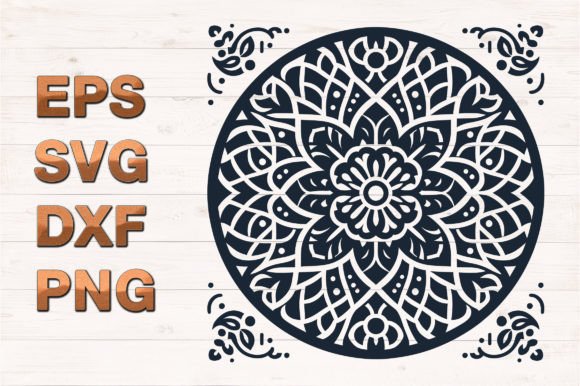
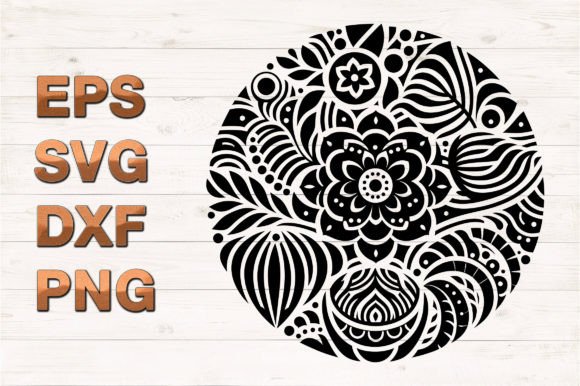
When I first opened the folder for Mandala Design Element Pattern Vector, I didn't just see a pretty image; I saw a potential bestseller. As someone who spends hours tweaking stitch density and worrying about how a design will sit on a curved cap versus a flat tote bag, my first impression is usually reserved for designs that balance artistic flair with technical feasibility. This piece immediately struck me as versatile enough for a high-end boutique item yet simple enough for a quick weekend craft project. The intricate geometry suggests a calming, meditative mood, which translates beautifully into physical products like nursery decor or wellness-themed apparel.
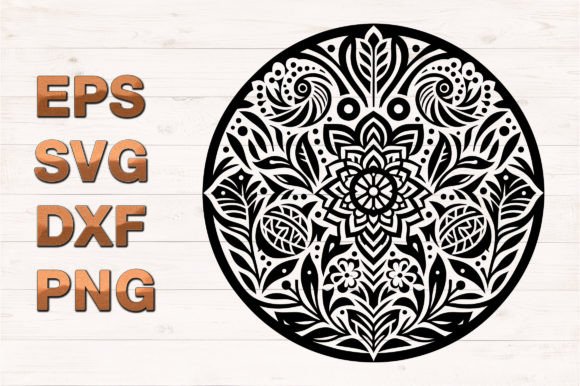
The file package includes essential formats like EPS, SVG, DXF, and a transparent PNG, which gives me confidence that this is a true digital embroidery file ready for modern workflows. However, before I commit to stitching it out, I need to understand where it fits in the real world of handmade goods. Let's walk through how Mandala Design Element Pattern Vector performs when moving from a screen to a hoop.
Real-World Application: From Screen to Stitch
I recently had a client request a custom embroidered patch for a limited-run collection of aprons sold at a local farmers market. They wanted something that screamed "handmade" but maintained a professional edge. I pulled up Mandala Design Element Pattern Vector as a candidate. The symmetrical layout is perfect for centering on a garment or creating a repeating pattern on a large surface area like a pillow cover or a tea towel. Unlike many mandalas that are too dense for small areas, this design has breathing room between its elements, which is crucial for maintaining clarity during the stitching process.
In a practical scenario, imagine using this design on a canvas tote bag. The clean lines of the vector translate well into satin stitch, creating a smooth, glossy finish that catches the light. If you were to use this for a baby item, such as a onesie or a blanket border, the gentle curves avoid the harsh angles that can sometimes irritate sensitive skin. It feels safe, welcoming, and distinctly artisanal. For an Etsy seller looking to expand their catalog, this design offers a strong visual hook that stands out against generic floral patterns.
Where This Design Shines
- Custom Apparel: On sweatshirts or t-shirts, the design works best as a chest logo or a back print. The balance of detail allows it to hold up even after multiple washes, provided the fabric isn't overly stretchy.
- Home Decor: Pillow covers and kitchen towels benefit from the geometric nature of the pattern. It adds structure to a room without overwhelming the space.
- Boutique Branding: For small shop owners, this serves as an excellent primary asset for branded merchandise, reinforcing a sense of quality and consistency.
- Holiday Gifts: The intricate details make it feel special and thoughtful, perfect for personalized gifts during the holiday season.
Navigating Technical Challenges
While the aesthetic appeal of Mandala Design Element Pattern Vector is undeniable, every experienced designer knows that beauty often hides technical traps. There are specific scenarios where this design requires careful handling to ensure a successful finished product.
First, consider the hoop size. While the 4000 x 4000 pixel resolution sounds impressive, the actual stitch count depends on how much you scale it down. If you attempt to embroider this on a very small hoop, such as one used for a hat cuff or a tiny pocket, the fine details might get lost or become distorted. In those cases, the individual stitches may merge, turning crisp lines into muddy blobs. Always test the design at your intended final size before running a full production batch.
Fabric texture is another critical factor. Embroidering onto thin or highly textured fabrics can be risky. A heavy fill stitch within the mandala's core could cause puckering on lightweight cotton or sheer materials. Similarly, on dark fabrics, the contrast relies heavily on your choice of thread colors. If you choose a thread color that is too close to the background, the intricate details will vanish. I recommend testing the design in black and white mockups first to ensure the negative space remains visible.
For commercial projects involving frequent washing, such as workwear or children's clothing, pay close attention to the stitch density. Denser areas of the mandala require proper stabilizer support to prevent the fabric from pulling or tearing over time. Without adequate backing, the tension of the machine needle could warp the shape of the pattern, ruining the symmetry that makes it so appealing.
Design Assets and Professionalism
Using a high-quality graphic template like this elevates the perceived value of any handmade product. Customers today are savvy; they can tell the difference between a mass-produced sticker and a carefully stitched design. When you present a finished item featuring Mandala Design Element Pattern Vector, you are signaling that you care about precision and artistry. This builds trust and encourages repeat business, especially for those selling on platforms like Etsy or at craft fairs.
However, do not assume that simply having the file guarantees success. The difference between a mediocre result and a masterpiece often lies in the preparation. Before cutting fabric, always run a test on scrap material. Check the alignment of the satin stitch edges and ensure there are no loose threads that could snag. Inspect the small details to see if they hold their shape or if they need to be simplified for the specific machine you are using.
Practical Notes for the Creative Entrepreneur
If you are planning to sell items made with this design, licensing is paramount. While the file includes various formats suitable for both personal and commercial use, you must confirm the specific terms regarding resale rights. Are you allowed to sell the finished physical goods? Can you use the digital file itself in other templates? These questions should be answered before you invest time in marketing.
Additionally, consider the versatility of the design. Can it be adapted for different techniques? While primarily a machine embroidery design, the vector components allow for easy conversion into applique designs if you wish to add texture through fabric layers. The inclusion of a DXF file also opens doors for laser cutting applications, making it a valuable asset for makers who combine multiple crafting techniques.
Ultimately, Mandala Design Element Pattern Vector is more than just a graphic; it is a tool for expression. Whether you are creating a unique gift for a loved one or building a brand identity for a new line of boutique products, this design provides a solid foundation. By understanding its strengths and respecting its limitations, you can produce work that resonates with customers and stands the test of time. Remember, the goal is not just to fill a hoop, but to create a connection through the art of embroidery.