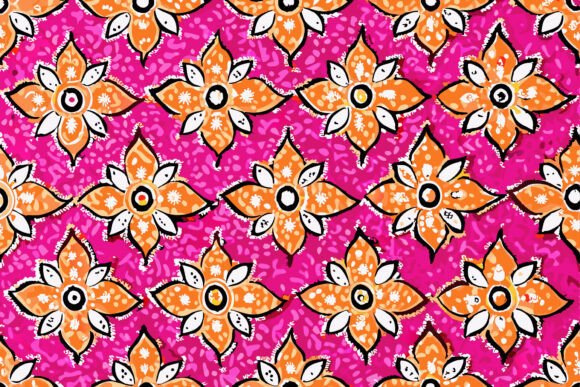
Hand-Painted Floral Line Art Background
When I first opened the file for Hand-Painted Floral Line Art Background, I didn't just see a pretty pattern; I saw a specific mood. As someone who has stitched thousands of designs for clients ranging from boutique owners to hobbyists, my initial reaction is always practical: "Will this hold up in the hoop?" The answer here is a resounding yes, provided you understand the unique nature of line art versus traditional solid fills.
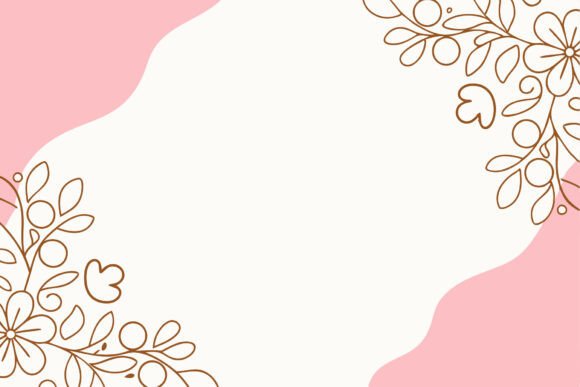
This isn't your average blocky vector graphic. It carries the organic imperfection of a watercolor sketch translated into digital form. The design features delicate rose watercolor elements, soft floral rosa hues, and those signature pink roses that define vintage botanical aesthetics. For an embroidery designer, this translates to a piece that relies heavily on running stitches and fine satin lines rather than dense fill areas. It creates a sense of lightness and airiness that heavy, solid floral motifs often lack.
The Real-World Test: A Custom Tote Bag Scenario
Let's imagine a real scenario. You are prepping for a local craft fair or fulfilling a rush order for an Etsy customer who wants a personalized tote bag with a vintage botanical theme. You pull up Hand-Painted Floral Line Art Background to use as the main visual element. My experience suggests this is where the design truly shines.
Unlike a dense flower cluster that can make fabric feel stiff and heavy, this line art background flows across the canvas. When stitched onto a natural linen or cotton canvas tote, the negative space allows the texture of the fabric to show through, adding depth to the finished product. The "botanica" vibe is perfect for summer markets or spring gift collections. However, if you were planning to stitch this on a stretchy jersey t-shirt, I would advise caution. The delicate lines might pucker if the stabilizer isn't perfectly matched to the fabric tension.
I recently used a similar aesthetic on a set of baby bibs for a client. The soft, hand-painted look was gentle and appropriate for infant wear, avoiding the harshness of thick outlines. But remember, when working with baby items, safety and durability matter. You must ensure the thread colors chosen contrast well enough to be visible but soft enough not to irritate sensitive skin. This design works beautifully for nursery decor too, perhaps as a pillow cover accent where the vintage floral designs add a touch of elegance without overwhelming the room.
Stitching Clarity and Visual Appeal
The visual personality of Hand-Painted Floral Line Art Background is defined by its fluidity. In embroidery terms, this means the design likely utilizes a mix of satin stitches for the main stems and running stitches for the finer details. When executed correctly, it mimics the look of a pen-and-ink drawing brought to life with thread. This adds a layer of sophistication that customers immediately recognize as high-quality work.
For small business owners and creative entrepreneurs, this distinction is crucial. A machine-stitched design that looks like a crisp, hand-drawn illustration commands a higher price point than one that looks like a generic clip-art stamp. The "watercolor" effect achieved through careful thread selection and stitch density can elevate a simple kitchen towel or apron into a premium gift item. It speaks to the buyer's desire for authenticity and artisanal quality.
However, achieving this look requires attention to detail. If the stitch density is too high, the lines will blur together, losing that hand-painted charm. If it is too low, the fabric might show through in unwanted ways. You need to test the design on scrap fabric first to dial in the perfect balance. Check the thread color contrast carefully; a pale pink rose against a white background might disappear if the thread shade isn't vibrant enough. Always inspect small details like the tips of petals or the curve of a stem to ensure they remain distinct after stitching.
Where to Exercise Caution
While Hand-Painted Floral Line Art Background is versatile, it is not a universal solution. There are specific scenarios where this design type struggles. First, avoid using it on dark fabrics unless you plan to use a significant amount of underlay or a contrasting outline. Thin, light-colored lines can get lost on navy or black materials, diminishing the visual impact.
Secondly, be wary of small hoop sizes. If you attempt to shrink this design down to fit a tiny patch or a miniature cap logo, the delicate corners and intricate floral details may become indistinguishable blobs. Embroidery has a physical limit; once the stitches become smaller than the thread width, the design loses definition. Similarly, textured fabrics like waffle-weave towels or chunky knits can distort the smooth lines of the artwork, making it look jagged or uneven.
Curved surfaces present another challenge. While caps and hats are popular canvases, the curvature can stretch the design out of proportion if not digitized specifically for 3D shapes. If the original file is flat, applying it to a curved surface might result in misaligned patterns. Additionally, products that require frequent washing, such as daily-use aprons or children's clothing, demand robust construction. Delicate line art can fray over time if the stitch density isn't sufficient to anchor the threads securely.
Practical Notes for the Designer
If you are considering adding Hand-Painted Floral Line Art Background to your commercial embroidery project portfolio, there are a few non-negotiable steps to take before you start stitching. First, review the stitch density settings in your software. Adjust them if necessary to ensure the lines aren't too crowded. Confirm the hoop size requirements; some line art designs benefit from larger hoops to maintain their flow.
Don't forget to check the licensing terms. Even though this is a digital product, selling finished items made from it requires clear permissions. Are you allowed to sell the physical goods? Is there a limit on the number of units? These questions must be answered before you list a handmade product on Etsy or at a craft fair.
It is also wise to create printable mockups to preview how the design will look in different contexts. Compare light and dark fabric backgrounds in your digital previews to ensure the concept holds up visually before cutting any fabric. Use proper stabilizer for every project—this is the backbone of a clean finish. Whether you are creating a custom apparel item, a holiday gift, or a boutique branding asset, the foundation matters most.
Finally, consider the emotional connection. This design evokes feelings of nostalgia and nature. When you present the finished product, highlight these qualities. A customer buying a sweatshirt embroidered with this motif isn't just buying a garment; they are buying a piece of vintage-inspired art. By treating the design with respect and technical precision, you build trust and brand consistency that keeps buyers coming back.
In conclusion, Hand-Painted Floral Line Art Background is a powerful tool for any embroiderer looking to add a touch of elegance and organic beauty to their work. It fits seamlessly into categories like Patterns and Graphics, offering endless possibilities for customization. From personalized gifts to commercial design assets, this piece proves that sometimes, less is more. With the right preparation and a keen eye for detail, it can transform a simple fabric into a masterpiece.